Weather at Harder Kulm

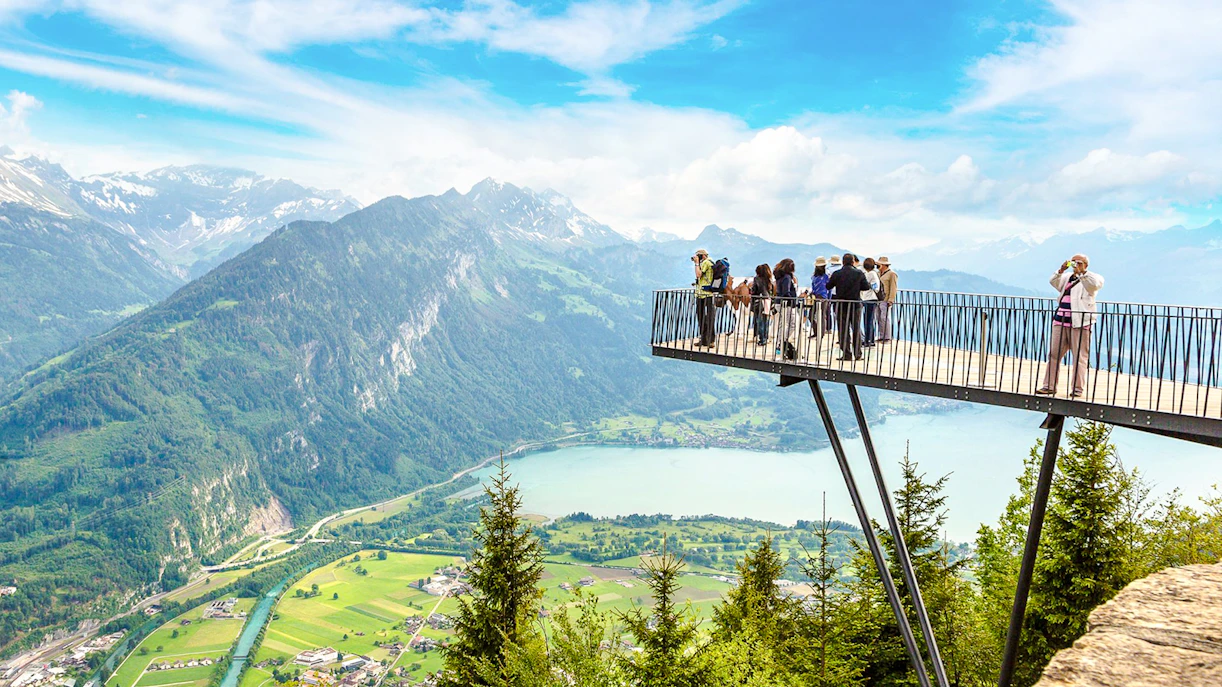
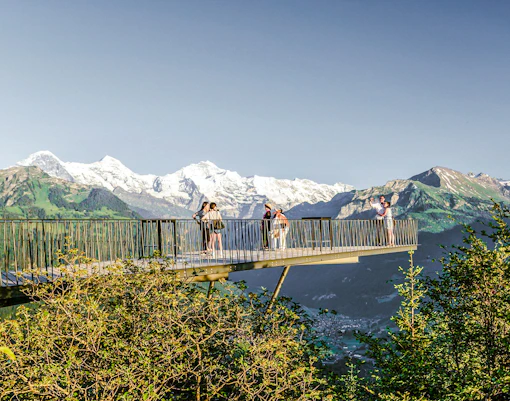
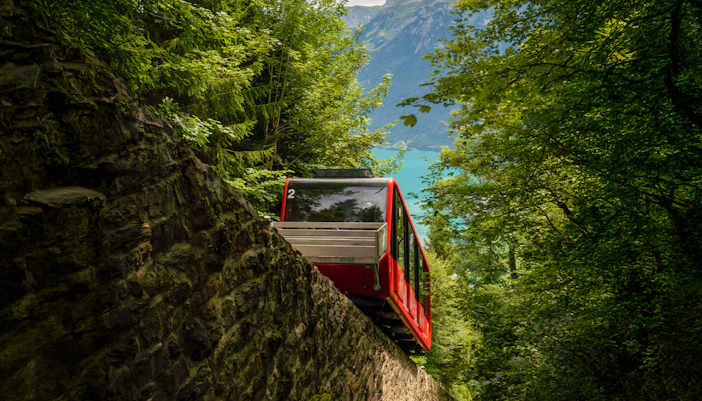
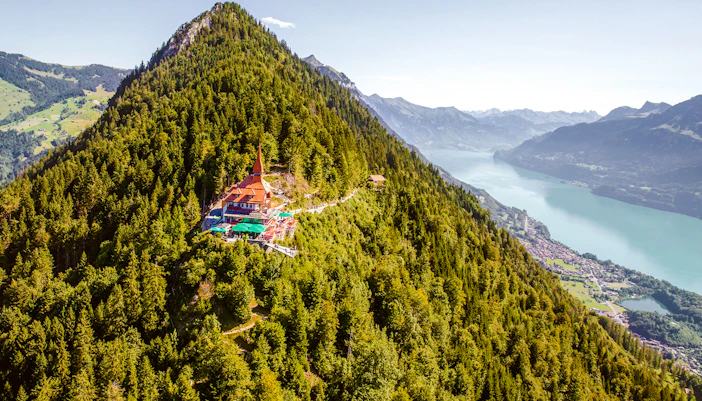
The biggest weather question at Harder Kulm isn't how cold it will be—it's whether the Bernese Alps and the turquoise waters of Lake Thun and Lake Brienz will be clearly visible. At 1,322 metres above sea level, the summit sits well above Interlaken but below the high Alpine zone, so weather changes are usually gentler than on glacier peaks.

The best planning decision is choosing both the right season and the right time of day. Early mornings often offer the clearest panoramas before afternoon clouds or summer thunderstorms develop, while autumn generally brings crisp air and excellent visibility.

Fast facts about Harder Kulm weather

  • Altitude: 1,322m above sea level
  • Average annual temperature: Approximately 7°C (summit)
  • Warmest month: July, average high 18°C (summit)
  • Coldest month: January, average high -1°C (summit)
  • Longest daylight: June, around 15.8 hours
  • Shortest daylight: December, around 8.5 hours

Harder Kulm through the seasons

🌸 Spring (March–May)
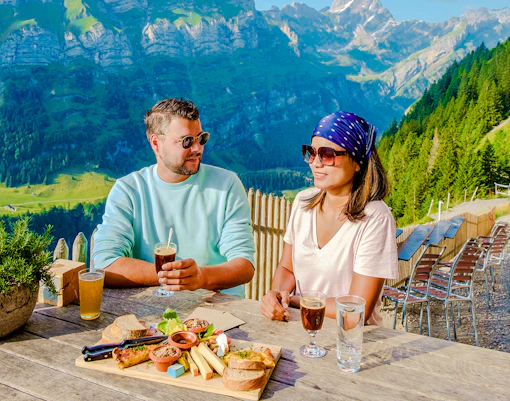
Spring slowly transforms Harder Kulm from snow-dusted slopes into green mountain scenery. Temperatures typically range from 4°C to 13°C, and lingering snow may still be visible on surrounding peaks while Interlaken below begins to bloom. Hiking paths gradually reopen through late spring, and visitor numbers remain relatively low compared to summer.

☀️ Summer (June–August)

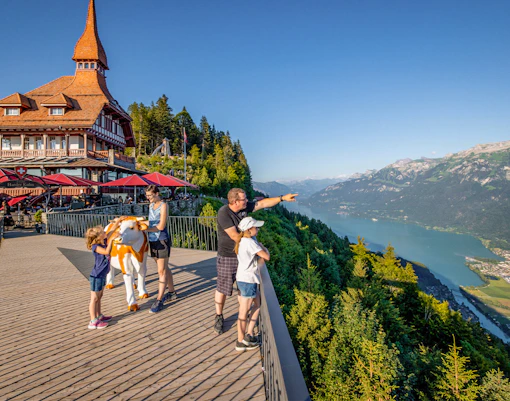
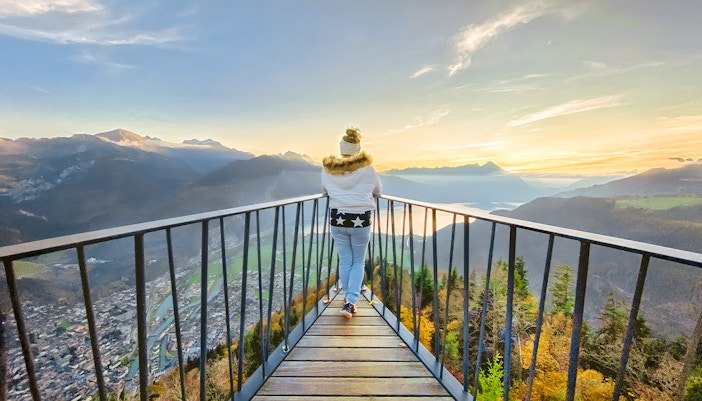
Summer offers the warmest conditions, with daytime temperatures between 14°C and 18°C at the summit. Long daylight hours make it the easiest season to spend several hours at the viewpoint, restaurant, and Two Lakes Bridge. Morning visibility is often excellent, although afternoon clouds and occasional thunderstorms can briefly reduce distant mountain views.

🍂 Autumn (September–November)

Autumn combines cooler temperatures of 6°C to 15°C with some of the clearest air of the year. As humidity drops, views across the Bernese Alps and both lakes often become exceptionally sharp. Golden forests surrounding Interlaken add colour to the landscape, while visitor numbers gradually decrease after September.

❄️ Winter (December–February)

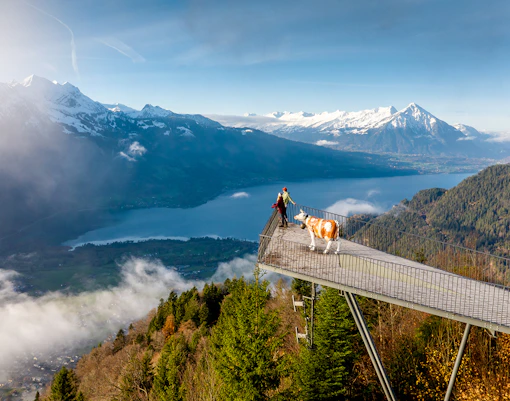
Winter brings temperatures between -1°C and 4°C and transforms Harder Kulm into a quieter mountain destination whenever the funicular is operating during its seasonal opening. Snow frequently covers the summit, creating striking contrasts between white mountain slopes and the deep-blue lakes below. Clear winter mornings often reward visitors with remarkably crisp Alpine panoramas.

Best month to visit Harder Kulm

PeriodAvg. temperature (summit)What to expectGround conditionsBest suited for

March–April

4°C–9°C

Early spring brings fewer visitors and gradually improving weather. Mountain peaks remain snow-covered while lower slopes begin turning green.

Mixed conditions with occasional wet paths after snowmelt.

Peaceful sightseeing, photography, quieter visits.

May–June

10°C–16°C

One of the most balanced times to visit, with comfortable temperatures, lush scenery, and long daylight hours.

Mostly dry walking paths and fresh greenery throughout the mountain.

Scenic walks, dining at the summit, family visits.

July–August

16°C–18°C

The busiest season offers warm weather and the longest days. Morning departures usually provide the clearest views before afternoon cloud build-up.

Dry trails with occasional rain after summer storms.

Full-day excursions, panoramic photography, sunset visits.

September–October

8°C–15°C

Many visitors consider this the ideal period thanks to cooler air, excellent visibility, and colourful autumn landscapes.

Dry, comfortable walking conditions with scattered fallen leaves.

Photography, sightseeing, relaxed summit visits.

November–February

-1°C–6°C

Depending on the operating season, visitors may experience snow-covered scenery and peaceful viewpoints. Days are shorter, but clear weather often delivers outstanding long-distance views.

Snow or icy patches may occur around the summit.

Winter scenery and clear Alpine panoramas.

Frequently asked questions about Harder Kulm weather

For the best balance of pleasant temperatures, clear views, and manageable crowds, late May through June and September through early October are excellent choices. Summer offers the longest days, while autumn typically provides the clearest visibility across the Bernese Alps.